
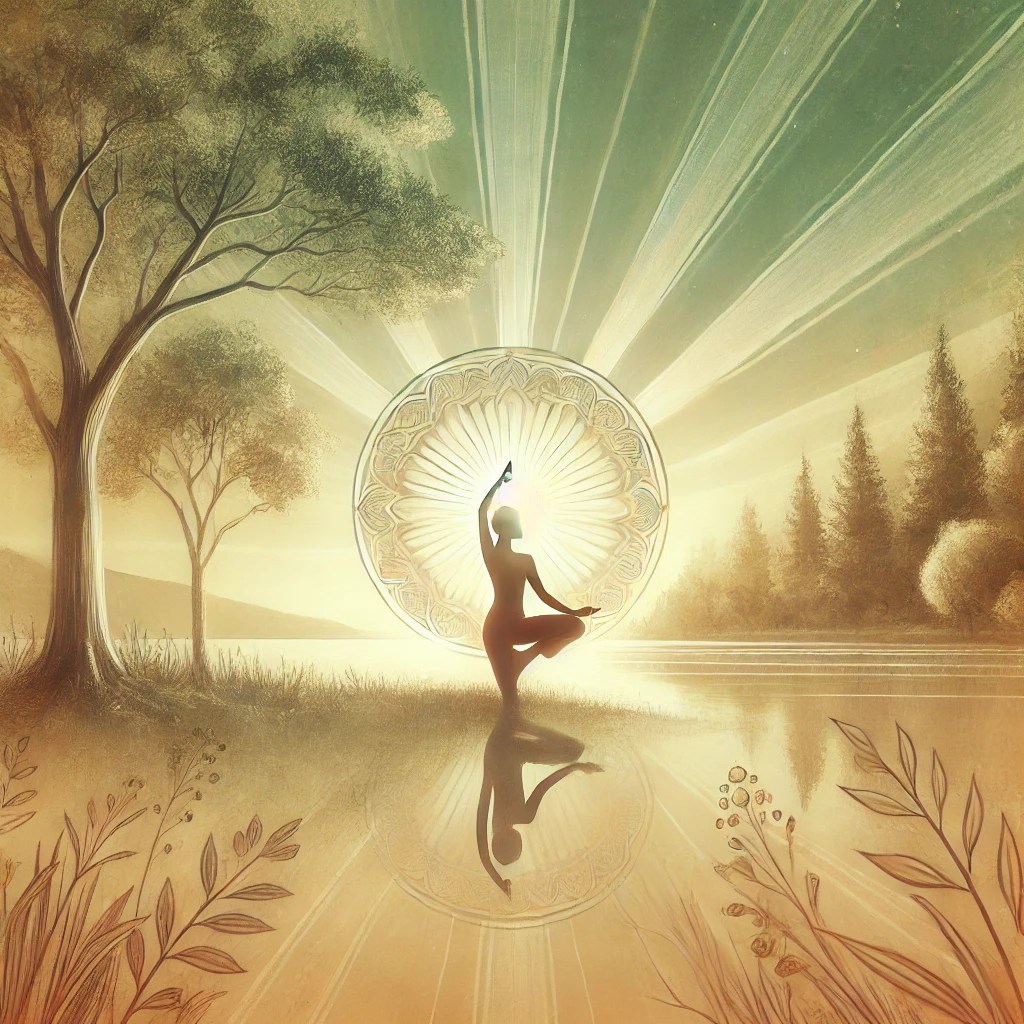
Recovery is about so much more than just quitting an addiction or removing toxic habits—it’s about reclaiming your mind, body, and soul. It’s about learning how to reconnect with yourself after years (or even decades) of disconnection, pain, and self-destruction. One of the most powerful ways to do this? Yoga.
Now, before you roll your eyes at the idea of stretching your way to enlightenment, let me tell you—I was just as skeptical at first. To me, yoga seemed like one of those things that only Instagram influencers or ultra-flexible people did for show. But once I actually gave it a chance, I realized it was one of the most transformative practices I could incorporate into my recovery.
Yoga helped me reconnect with my body—the same body I had abused, neglected, and ignored for years. It taught me patience, self-awareness, and control over my emotions. And, most importantly, it gave me a healthy outlet for all the stress, anxiety, and mental chaos that had built up inside me.
In this post, we’re diving deep into why yoga is such a game-changer for recovery, how it helps you reconnect with yourself, and how to get started—even if you’ve never done a single pose in your life.
Why Yoga is Essential in Recovery
Recovery isn’t just about quitting something destructive—it’s about rebuilding yourself from the inside out. That means focusing on physical, mental, and emotional healing. Yoga is one of the few practices that helps with all three at once.
Here’s why yoga is a non-negotiable tool for healing and self-reclamation:
1. Yoga Helps You Reconnect With Your Body
- When you’ve struggled with addiction or trauma, it’s easy to feel disconnected from your body.
- Years of abuse, neglect, or self-harm can make your body feel like a separate entity rather than a part of you.
- Yoga helps you rebuild trust with your body through gentle movement, stretching, and mindful breathing.
When you’re in active addiction, your body stops feeling like your own—it’s either in survival mode, shut down, or running purely on autopilot. Yoga reverses that disconnect by making you slow down and actually feel your body again.
2. Yoga Calms the Nervous System & Reduces Stress
- Recovery often comes with anxiety, emotional turmoil, and stress.
- Yoga activates the parasympathetic nervous system, shifting your body from fight-or-flight mode into relaxation mode.
- Just a few minutes of deep breathing in a simple pose can reduce cortisol (the stress hormone) and calm your mind.
A lot of people relapse or return to toxic habits because they don’t have a way to regulate their stress. Yoga gives you that regulation tool—it helps you stay present, breathe through discomfort, and handle stress in a healthy way.
3. Yoga Improves Mental Clarity & Emotional Stability
- Addiction and trauma disrupt brain chemistry, making it hard to think clearly, stay focused, or manage emotions.
- Yoga increases dopamine and serotonin production, helping to stabilize mood and enhance motivation.
- The practice teaches emotional resilience—learning how to sit with discomfort rather than run from it.
The first time I did a deep yoga session, I felt an emotional release I wasn’t expecting. I was holding years of stress, guilt, and pain in my muscles—especially my hips and shoulders. Yoga opened up those areas, and for the first time in a long time, I felt like I could actually breathe again.
Types of Yoga for Recovery & Healing
Not all yoga is the same. Some styles are fast-paced and energizing, while others are slow, meditative, and deeply healing. Here’s how to choose a practice that fits your personal recovery journey:
1. Yin Yoga – Deep Emotional Healing & Trauma Release
- Best for: Processing emotions, releasing stored trauma, calming the nervous system.
- Why? Yin yoga uses long-held, deep stretches to target connective tissues and unlock trapped emotions.
- Try This Pose: Seated Forward Fold (Paschimottanasana) – Sit with your legs extended forward, hinge at the hips, and fold over your legs, holding for 3-5 minutes.
2. Hatha Yoga – Restoring Balance & Strength
- Best for: Beginners, grounding, regaining balance in life and body.
- Why? Hatha yoga focuses on slow, intentional movements and breath control to restore stability.
- Try This Pose: Tree Pose (Vrksasana) – Stand on one foot, bring the opposite foot to your calf or thigh, and balance while focusing on your breath.
3. Vinyasa Yoga – Building Energy & Focus
- Best for: Boosting energy, increasing circulation, building body awareness.
- Why? Vinyasa yoga links breath with movement, creating a flow state that enhances mental clarity and endurance.
- Try This Sequence: Sun Salutations (Surya Namaskar) – A series of poses that warms up the body and energizes the mind.
4. Restorative Yoga – Relaxation & Nervous System Reset
- Best for: Deep relaxation, nervous system healing, and improving sleep.
- Why? Restorative yoga uses props (pillows, blankets) to hold poses longer for maximum relaxation.
- Try This Pose: Legs-Up-The-Wall Pose (Viparita Karani) – Lie on your back with your legs resting against a wall for 5-10 minutes.
How to Start a Yoga Practice in Recovery
1. Start Small
- Even 5-10 minutes of gentle stretching and deep breathing can be powerful.
- Choose 1-2 poses to do each day and slowly build up your practice.
2. Focus on Breath First
- Learning to control your breath is one of the fastest ways to calm the mind and body.
- Inhale/exhale for 5 seconds, with a pause at the top and bottom of the breath.
3. Let Go of Perfection
- Yoga isn’t about being flexible—it’s about feeling connected to yourself.
- Some days will be easier than others, and that’s okay. Every time you show up for yourself, you win.
4. Create a Routine That Works for You
- Morning Practice: Energizing poses to wake up your body and mind.
- Evening Practice: Restorative poses to unwind before sleep.
- Anytime You Feel Stressed: Deep breathing + simple stretches.
Final Thoughts: Reclaim Your Power Through Yoga
Yoga isn’t just about physical movement—it’s about reclaiming control over your body, emotions, and mindset. Whether you’re healing from addiction, trauma, or simply trying to rebuild your life, yoga gives you a path to peace and strength.
Start small. Maybe today, all you do is sit quietly and take a deep breath. Maybe tomorrow, you try one simple pose.
That’s enough.
Each breath, each stretch, each moment of stillness is a step toward reclaiming your power. Keep going.
Tomorrow, we’ll dive into another powerful tool for healing—meditation and breathwork. Until then, find a quiet space, take a deep breath, and remind yourself: You are worthy of healing.
Peace & love, superheroes. 🚀✨
 DT’s Holistic Healing